
A Life-Saving Gift: Why Donating Plasma Is A Powerful Act Of Kindness
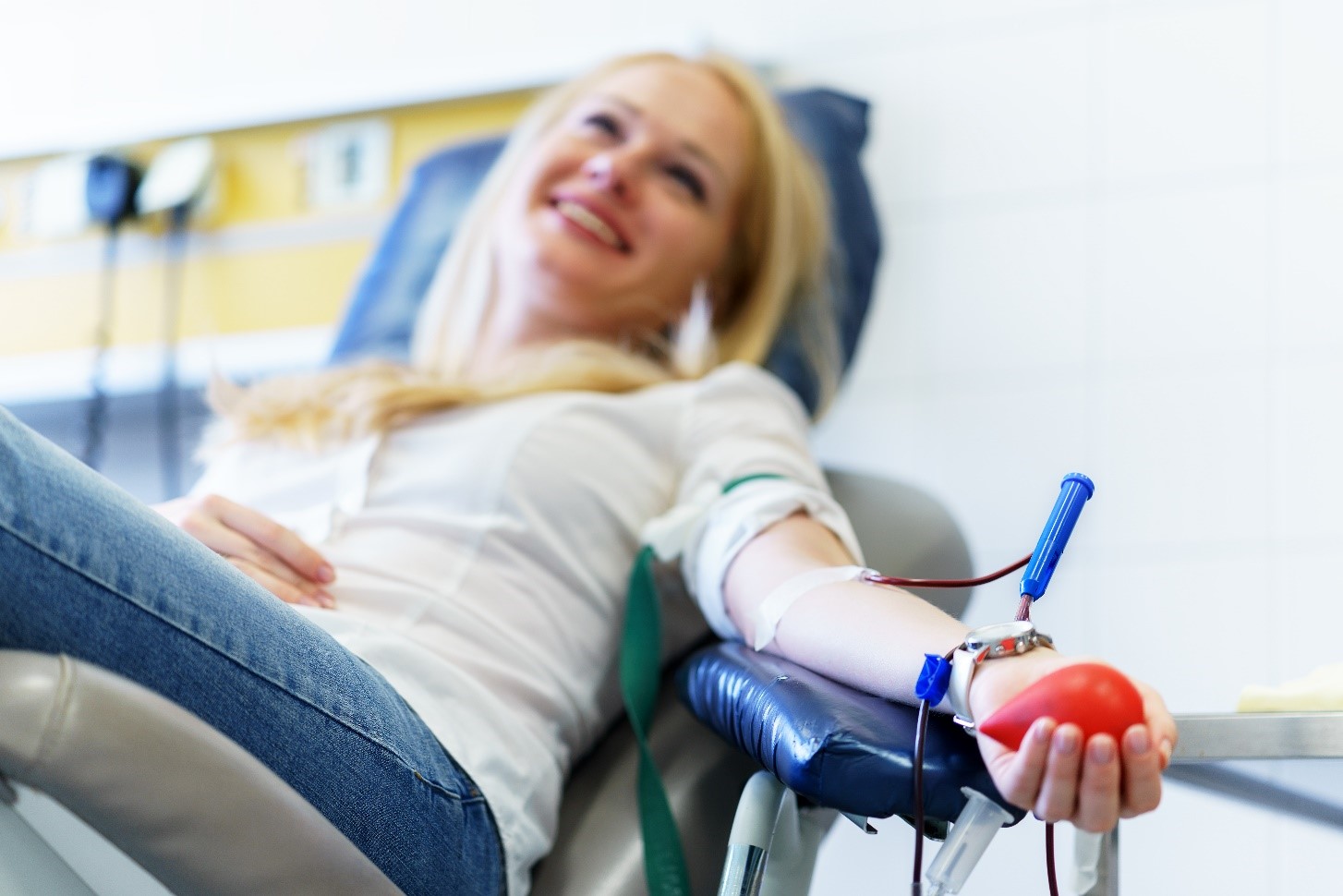
In a world where medical advancements continue to save countless lives, one of the simplest yet most impactful contributions a person can make is donating plasma. Plasma donation is not just a charitable act; it’s a critical lifeline for people with a variety of medical conditions. Whether it’s helping someone with a chronic illness, recovering from trauma, or fighting infections, plasma donations are an essential part of modern medicine.
But for many, the concept of plasma donation remains unfamiliar. How does it work? Who benefits from it? And how can you get involved? In this article, we’ll explore the importance of donating plasma, how the process works, and where to find donating plasma locations to get started.
What is Plasma, and Why Is It So Important?
Plasma is the liquid component of blood, making up about 55% of your total blood volume. It’s a pale yellow fluid that serves as a carrier for red blood cells, white blood cells, platelets, and other components that help your body stay healthy. Plasma itself is made up of water, proteins, electrolytes, hormones, and waste products. The proteins found in plasma play crucial roles in blood clotting, immune defense, and maintaining fluid balance in your body.
The plasma from healthy donors contains several key proteins, such as albumin and immunoglobulins, which are used to treat a variety of medical conditions. When plasma is donated, it is processed to separate out these valuable proteins. The plasma is then used to create life-saving treatments for people suffering from immune deficiencies, burns, clotting disorders, and more.
Who Needs Plasma?
Plasma is used in a variety of medical treatments and can benefit a wide range of patients. Some of the most common medical conditions that rely on plasma-derived therapies include:
- Immune System Disorders
Plasma is rich in immunoglobulins, which are essential for fighting infections. People with immune system disorders, such as primary immunodeficiencies, cannot produce enough of these proteins on their own. Plasma donation helps provide the immunoglobulins they need to stay healthy and fight off infections. - Burns and Trauma
For patients who suffer from severe burns or traumatic injuries, plasma helps restore blood volume, regulate blood pressure, and promote healing. In these cases, plasma is critical for stabilizing the patient and preventing shock. - Clotting Disorders
People with hemophilia or other clotting disorders need plasma to replace the clotting factors their bodies can’t produce. This is vital in preventing excessive bleeding and helping patients heal from injuries or surgeries. - Liver Disease
Plasma’s albumin helps patients with liver disease manage symptoms like fluid retention and low blood pressure. Plasma treatments can help improve the quality of life for individuals with conditions such as cirrhosis. - Surgical and Medical Recovery
Plasma is often used during surgeries to replace lost blood and aid in recovery. Whether a patient is recovering from major surgery or a serious injury, plasma can help stabilize their condition and accelerate healing.
How Plasma Donation Works
Donating plasma is a safe and relatively simple process. Though it may sound similar to blood donation, plasma donation involves a few additional steps. Here’s how the process typically works:
- Screening and Health Check
Before you can donate plasma, you’ll undergo a screening process to ensure you’re healthy enough to donate. This includes a brief medical questionnaire and a physical exam to check for vital signs and ensure you meet the necessary health criteria. You may also need to provide a blood sample to check for infectious diseases. - Donation Process
During the donation, a needle is inserted into one of your veins to draw blood. Unlike blood donation, which collects whole blood, plasma donation uses a process called apheresis. This machine separates the plasma from the red blood cells, white blood cells, and platelets. The remaining components of your blood are returned to your body through the same needle.The donation process typically takes about 90 minutes. You may be asked to relax, watch TV, or read a book while the donation takes place. Since plasma is replenished fairly quickly by the body, you can donate more frequently than you could donate whole blood—up to twice a week, depending on guidelines. - Post-Donation Care
After the donation, you’ll be monitored for a short period to ensure you feel well. You’ll be encouraged to drink plenty of fluids and have a light snack to help your body recover and regenerate the plasma.
Why Donate Plasma?
Plasma donation is one of the most impactful ways you can give back to your community. Each donation has the potential to help save lives, and it’s a relatively easy process that can be done in a matter of hours. Plasma is in constant demand, as it is used to treat many different medical conditions, some of which are chronic or require ongoing treatments.
Beyond the medical benefits, donating plasma also provides a sense of fulfillment. Knowing that you’re making a tangible difference in someone’s life is a powerful feeling. It’s a simple way to give back and help people in need, and many donors find it to be a deeply rewarding experience.
Where to Donate Plasma
If you’re interested in donating plasma, the first step is to find a donation center near you. There are several national and regional organizations that operate plasma donation centers, and you can often find donating plasma locations by searching online or asking your healthcare provider for recommendations.
It’s important to choose a reputable donation center that follows strict safety protocols and ensures that both donors and recipients are protected. Many centers are equipped with comfortable reclining chairs, staff members to guide you through the process, and even entertainment options to help pass the time.
If you’re unsure where to start, some plasma donation centers allow you to book an appointment online, and they may offer additional benefits for new donors or those who return frequently.
Safety Considerations
Donating plasma is a safe procedure when done under proper medical supervision. However, as with any medical procedure, there are some risks involved, such as dizziness or bruising at the needle site. Donors are always monitored before, during, and after the process to ensure their safety. It’s important to follow the guidelines provided by the donation center and notify staff immediately if you feel unwell.
Conclusion
Donating plasma is one of the most generous and impactful acts you can make to help others in need. Whether it’s supporting patients with chronic illnesses, helping those recovering from surgery, or saving lives in emergency situations, plasma donations are an essential part of healthcare. By finding donating plasma locations and participating in the donation process, you’re making a meaningful difference in the lives of others. It’s a simple act with a profound impact, and your contribution could be the key to saving someone’s life.