How Data Analytics Is Revolutionizing the Automotive Industry
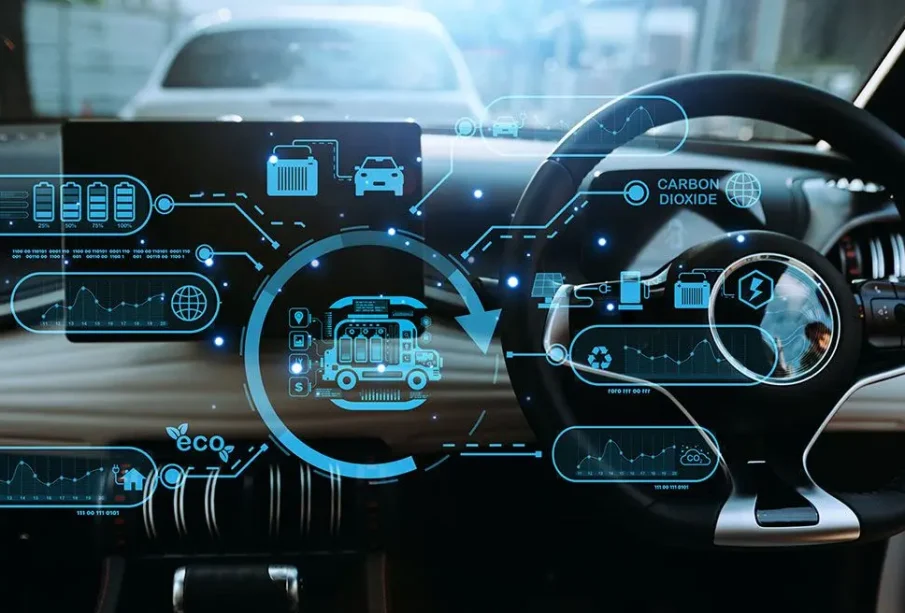
The automotive industry is undergoing its most significant transformation since Henry Ford introduced the moving assembly line. For over a century, car manufacturing was defined purely by mechanical engineering, horse power, and physical assembly. Today, software, connectivity, and data are the primary forces driving the sector forward.
Modern vehicles are essentially rolling data centers. Equipped with hundreds of sensors, advanced telemetry systems, and onboard computers, a single vehicle generates massive volumes of data every hour it is on the road. When this information is aggregated and processed, it becomes a goldmine for automakers, supply chain managers, dealership networks, and insurance providers.
Data analytics is no longer just a supportive IT function; it has become the core engine driving strategic decision-making. From streamlining factory floors to predicting mechanical failures before they happen, big data is revolutionizing how cars are built, operated, maintained, and insured.
Transforming Vehicle Manufacturing and Supply Chain Efficiency
The journey of a vehicle begins long before it hits the asphalt, and data analytics plays a critical role from the very first design schematic. Historically, automotive manufacturing relied heavily on historical sales forecasting and rigid production schedules. Today, predictive analytics allows manufacturers to match production with real-time global demand, minimizing inventory overhead and reducing waste.
Smart Manufacturing and Predictive Maintenance
Inside the factory, Internet of Things (IoT) sensors monitor the health of robotic arms, assembly lines, and stamping machines. By applying predictive analytics to this operational data, manufacturers can anticipate equipment failures before they cause costly downtime. For instance, if a welding robot exhibits unusual vibration patterns, the system alerts maintenance crews to service the machine during a scheduled shift change, preventing an unexpected line stoppage.
Supply Chain Resilience
The automotive supply chain is incredibly complex, involving thousands of parts sourced from across the globe. Analytics platforms integrate data from weather forecasts, shipping schedules, and geopolitical risk assessments to give manufacturers unprecedented visibility. If a supplier in one part of the world faces a disruption, data models can immediately calculate the impact and suggest alternative logistics routes or backup suppliers, keeping production lines moving smoothly.
Enhancing the Driving Experience through Connected Vehicles
Once a vehicle leaves the dealership, its data footprint expands exponentially. Connected cars continuously transmit telematics data back to the manufacturer, creating a feedback loop that was impossible a decade ago.
Over-the-Air (OTA) Updates
One of the most visible impacts of data analytics for the consumer is the ability of a car to improve over time. By analyzing performance data across an entire fleet of vehicles, engineers can identify software bugs, battery inefficiencies, or powertrain anomalies. Instead of issuing a massive physical recall, manufacturers can deploy over-the-air software updates directly to the vehicle. This saves billions of dollars for automakers and spares drivers the inconvenience of visiting a service center.
Personalized In-Car Experiences
Data analytics enables vehicles to adapt to individual driver preferences. Infotainment systems analyze listening habits, frequently visited destinations, and driving schedules to offer personalized recommendations. If a driver typically stops for coffee at a specific time on Tuesday mornings, the vehicle can suggest the fastest route to that location and display local promotional offers via the dashboard.
Revolutionizing Vehicle Safety and Predictive Maintenance
Safety has always been a primary selling point in the automotive market, but data analytics is shifting the paradigm from reactive safety to proactive prevention.
Predictive Vehicle Diagnostics
For drivers, the “check engine” light has long been a source of anxiety, often illuminating only after a component has already failed. Data analytics transforms this experience through predictive diagnostics. By analyzing real-time data streams from the engine, transmission, and braking systems, predictive algorithms can detect subtle degradations in performance. The vehicle can then alert the driver that a specific component is likely to fail within the next few hundred miles, even scheduling a service appointment automatically.
Advanced Driver Assistance Systems (ADAS)
Modern safety features like lane-keeping assist, adaptive cruise control, and automatic emergency braking rely heavily on real-time data processing. Onboard computers analyze inputs from cameras, radar, and LiDAR sensors within milliseconds to detect hazards, pedestrians, and lane drift. As these systems gather more data from real-world driving scenarios, machine learning algorithms continuously refine the safety protocols, making vehicles safer with every mile driven.
Redefining Fleet Management and the Insurance Sector
The impact of data analytics extends far beyond individual consumer vehicles. Commercial fleet operators and the automotive insurance industry are leveraging data to completely restructure their business models.
Optimization of Commercial Fleets
For logistics and delivery companies, data analytics is a vital tool for cost reduction. Fleet management software analyzes traffic patterns, weather variables, delivery windows, and fuel consumption to plot the most efficient routes. Additionally, monitoring driver behavior analytics—such as harsh braking, rapid acceleration, and excessive idling—allows fleet managers to train drivers for better fuel economy and reduced wear and tear on vehicles.
Usage-Based Insurance (UBI)
The traditional model of calculating insurance premiums based on generic demographics like age, gender, and zip code is being replaced by telematics-driven insurance. Usage-based insurance programs utilize data collected from the vehicle to evaluate exactly how a specific individual drives.
-
Drivers who maintain safe speeds, avoid late-night driving, and brake smoothly are rewarded with lower premiums.
-
Insurance companies benefit from a more accurate risk assessment model, reducing the volume of fraudulent claims and overall payouts.
Fueling the Shift Toward Electric and Autonomous Vehicles
As the industry pivots toward electric vehicles (EVs) and autonomous driving, data analytics serves as the foundational architecture making these technologies viable at scale.
Electric Vehicle Optimization
Battery management is the most critical aspect of EV engineering. Analytics tools monitor battery cell health, temperature fluctuations, and discharge cycles to maximize battery life and driving range. On a broader scale, data analytics helps city planners and utility companies determine the optimal placement for charging infrastructure by analyzing traffic flow and EV ownership density.
The Road to Full Autonomy
Self-driving cars are essentially massive data-processing engines. An autonomous vehicle generates terabytes of data every day. This data must be processed instantly for safe navigation, but it is also sent back to centralized cloud servers. Specialized data teams analyze these massive datasets to train the artificial intelligence models responsible for complex decision-making, such as navigating a chaotic construction zone or interpreting ambiguous hand signals from a traffic police officer.
Frequently Asked Questions
How does data analytics help reduce the frequency of automotive recalls?
Data analytics allows manufacturers to monitor vehicle performance in real time across the entire global fleet. Instead of waiting for hundreds of independent mechanical failures to occur and trigger a traditional, costly recall, predictive algorithms can identify microscopic anomalies in sensor data very early on. This allows engineers to pinpoint the exact batch of vehicles affected and often fix the issue remotely via software updates before a widespread mechanical failure occurs.
What role does big data play in the resale value of a used car?
Data analytics brings unprecedented transparency to the used car market. Rather than relying solely on visual inspections and odometer readings, buyers and dealerships can now access comprehensive digital vehicle histories. Telematics data can verify exactly how a vehicle was driven, whether it was exposed to extreme conditions, how consistently it was maintained, and the health status of its critical components, leading to fairer, data-driven pricing.
How do automakers protect the massive amounts of personal data collected from vehicles?
Automakers employ multi-layered cybersecurity frameworks to protect vehicle data. This includes end-to-end encryption for data transmitted from the car to the cloud, secure boot architecture to prevent unauthorized software modifications, and strict data anonymization protocols. Anonymization ensures that data used for engineering improvements or traffic planning cannot be linked back to an individual driver identity.
Can data analytics improve the environmental sustainability of traditional gas cars?
Yes. Outside of the manufacturing plant, analytics software optimizes engine performance, transmission shifting points, and fuel injection timing in real time based on driving conditions. By making these micro-adjustments, the vehicle operates at peak thermal efficiency, which reduces fuel consumption and minimizes tailpipe emissions over the lifespan of the car.
How does data analytics assist in the design phase of a new vehicle model?
Before a physical prototype is ever built, automotive designers use wind tunnel data, crash-test simulations, and historical driver performance data to create virtual twins of a vehicle. By running millions of digital simulations, engineers can optimize aerodynamics, structural integrity, and cabin ergonomics in a virtual environment. This dramatically accelerates development timelines and significantly cuts down on material waste.
How will data analytics change the way traffic is managed in smart cities?
As vehicles become more connected, they can communicate with city infrastructure, a concept known as vehicle-to-infrastructure (V2I) communication. Data analytics platforms aggregate real-time speed and location data from thousands of vehicles to dynamically adjust traffic light timings, predict congestion bottlenecks, and alert drivers to upcoming road hazards, ultimately creating a more fluid and less congested urban environment.