The Rise of Live Dealer Experiences in Online Gambling

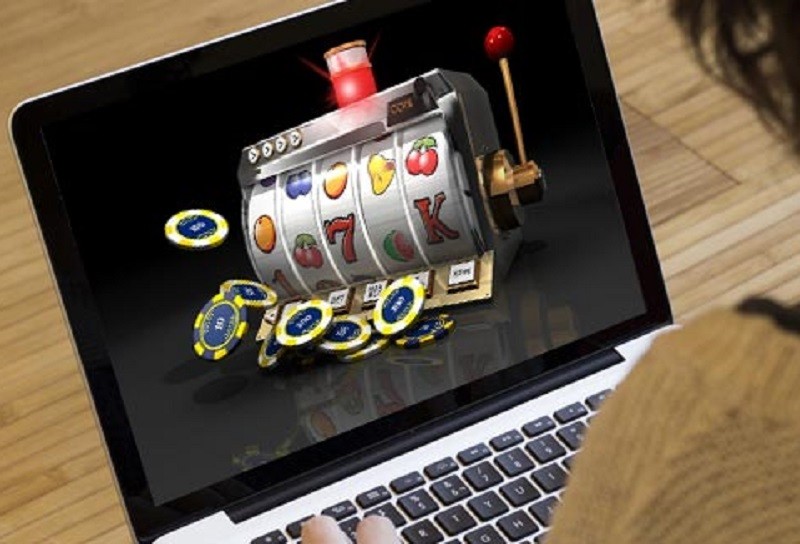
The global online gambling ecosystem has entered a new era of consumer engagement. For years, the digital casino sector was defined by automated, software-driven applications. When internet betting first gained mainstream traction, it relied entirely on two-dimensional graphics and localized Random Number Generators to simulate gaming tables. While this model provided unprecedented convenience, it struggled to replicate the vibrant energy, human interaction, and sensory stimulation of a physical casino floor.
The introduction and rapid proliferation of live dealer platforms have radically altered this trajectory. By blending advanced video broadcasting infrastructure with traditional physical casino assets, operators can now deliver a deeply authentic, interactive gaming environment directly to consumer devices. This shift has fundamentally transformed online gambling from a solitary, digital interface into a highly social, collective entertainment experience.
Technical Infrastructure Behind the Live Broadcast
The seamless execution of a modern live dealer game requires a complex network of physical hardware, specialized software, and immense data processing capability. To the end-user, the interface appears intuitive, but behind the scenes, multiple systems work in perfect synchronization to maintain the integrity of every single wager.
Production Studios and Specialized Camera Networks
Live dealer games do not rely on computerized animations; instead, they are broadcasted directly from state-of-the-art production studios or dedicated, secure sections of brick-and-mortar casino properties. These environments are engineered with acoustic treatment, professional broadcast lighting, and arrays of high-definition cameras.
Multiple camera angles track every element of the game. In a standard blackjack setup, for instance, one camera provides a wide shot of the table and the dealer, a second focuses strictly on the shoe and the dealt cards, and a third offers an overview of the betting interface. These streams are encoded and transmitted with ultra-low latency, ensuring that players see the physical results of a deal or spin without any disruptive delay.
Optical Character Recognition and Game Control Units
The true bridge between the physical and digital worlds is Optical Character Recognition technology. As the dealer interacts with physical objects—such as shuffling cards or dropping a ball onto a roulette wheel—the recognition software captures the precise visual data and converts it into digital code within milliseconds.
This processed data is managed by a hardware component called a Game Control Unit attached to every single table. The control unit functions as the master processor for the game. It instantly matches the physical action at the table with the digital betting interfaces on players’ screens, updating account balances, displaying historic statistics, and resolving thousands of concurrent bets without human error or manual input.
Solving the Psychological Barrier of Consumer Trust
Beyond the obvious aesthetic and experiential enhancements, the rise of live dealer formats addressed one of the longest-standing hurdles in the online betting market: the psychology of player trust.
While reputable regulatory bodies continuously audit digital casino software and mathematical algorithms, a persistent segment of the consumer population remains naturally skeptical of fully computerized simulations. To these players, an algorithm feels opaque and inherently detached from the traditional physical mechanics of gambling.
Live dealer experiences remove this digital veil. Watching a real person physically break the seal on a fresh deck of cards, perform a transparent shuffle, and place those cards into a dealing shoe establishes a deep level of psychological comfort. The transparency of seeing a physical roulette ball lose momentum and drop naturally into a numbered pocket eliminates any lingering suspicion of software manipulation. This fundamental reinforcement of trust has attracted millions of traditional, land-based casino players into the digital gambling space, significantly expanding the overall market demographic.
The Shift Toward Community and Socialization
Traditional digital casino games are inherently isolated experiences. A user clicks buttons on a screen, competing against a computer program in complete silence, separated from other participants. Live dealer studios have fundamentally re-engineered this dynamic by reintroducing the critical element of human socialization.
Modern live formats incorporate real-time text chat systems that foster a vibrant community atmosphere. Players can type messages to communicate with one another, discussing strategies, reacting to outcomes, or celebrating significant payouts.
Concurrently, the dealers see these incoming messages on localized monitors placed behind the camera arrays. This allows the dealers to respond verbally in real time, greet players by their usernames, and engage in casual conversation during natural breaks in the action. This interactive feedback loop transforms the platform from a transactional betting application into a social entertainment hub, heavily increasing user session lengths and fostering deep brand familiarity.
Diversification into Live Game Shows and Hybrid Products
As the underlying streaming technology matured, software developers realized they were no longer confined to replicating traditional table games like blackjack, baccarat, and roulette. To capture younger, mobile-first consumer demographics, the industry expanded into highly innovative, hybrid formats known as live game shows.
These products blend elements of classic television game shows, board games, and digital slot mechanics with live streaming architecture. Instead of traditional dealers, these tables are managed by high-energy hosts who narrate the action on elaborately designed, physical stage sets.
These games frequently integrate advanced augmented reality graphics directly into the live video feed. A physical prize wheel might trigger a digital bonus round where three-dimensional animated characters interact with the real-world host. This synthesis of live performance, community interaction, and cinematic visual effects has created an entirely new vertical of digital gaming, separating live casinos from traditional gambling models and positioning them as direct competitors to mainstream streaming entertainment.
Operational Dynamics and Corporate Strategy
The massive consumer demand for live streaming content has forced operators to completely restructure their internal business strategies and financial allocations.
-
Capital Expenditure on Infrastructure: Operating a traditional, software-based online casino carries low marginal costs once the platform is built. Live dealer operations, however, resemble television networks. Companies must invest heavily in physical real estate, high-bandwidth content delivery networks, professional-grade broadcast hardware, and robust redundancy systems to prevent server disconnections mid-hand.
-
Human Capital and Labor Management: Live studios require a massive workforce. Operators must hire, train, and manage thousands of professional dealers, floor supervisors, camera operators, audio engineers, and technical support staff. Managing a round-the-clock labor force across multiple shifts adds a layer of operational complexity that traditional software-only providers never had to navigate.
Frequently Asked Questions
Can other players at the live dealer table see my personal details or location?
No. To protect consumer privacy, other players can only see the custom screen name or alias that you choose when setting up your casino account. Your real name, physical location, account balance, and private personal information are completely hidden from public view and secured by the platform’s central encryption systems.
What happens if a live dealer accidentally misdeals a card during a hand?
Live dealer studios operate under strict regulatory compliance frameworks overseen by physical pit bosses and floor supervisors, identical to physical casinos. If a dealer makes a manual error, such as turning over a card prematurely, the action is immediately paused. The floor supervisor will review the physical video archive alongside the digital data log to determine the fair resolution, which may involve correcting the sequence or declaring the specific hand void and returning all player wagers.
How do live dealer platforms accommodate players with slower mobile internet connections?
Modern live streaming software utilizes adaptive bitrate streaming technology. The central servers continuously monitor the stability and download speed of each individual player’s internet connection. If your connection degrades or slows down, the software automatically scales down the resolution of the video stream to prevent freezing or lag, ensuring that the game data remains functional and interactive even on sub-optimal networks.
Are the deck shuffling and dealing processes genuinely fair in a live studio?
Yes. Live studios must adhere to the exact same regulatory and gaming integrity standards as brick-and-mortar casinos. Decks are regularly changed, and shuffles are performed in full view of the high-definition cameras. Many studios also utilize electronic shoe scanners that read embedded barcodes on the cards as they are drawn, verifying that the physical card dealt matches the digital data recorded by the software system.
Why are the minimum bet sizes usually higher at live tables than on software games?
Software-based casino games require minimal overhead costs to run continuously for millions of users. Conversely, live dealer tables require significant physical infrastructure, including studio rent, real gaming equipment, electricity, and continuous hourly wages for professional human staff. To cover these ongoing operational expenditures, platforms must establish slightly higher minimum wager thresholds for live streaming seats.
Can I play live dealer games for free in a demo mode?
Unlike software-based slot machines or automated table games, live dealer games rarely offer a completely free play or demo option. Because seating capacities at physical tables are limited and each active seat incurs real labor and operational costs, operators reserve live dealer spots exclusively for real-money wagering. However, most platforms allow players to open a live table and observe the action as a spectator without placing a bet.