
Neurofeedback Therapy Offers a Personalized Approach to Brain Training
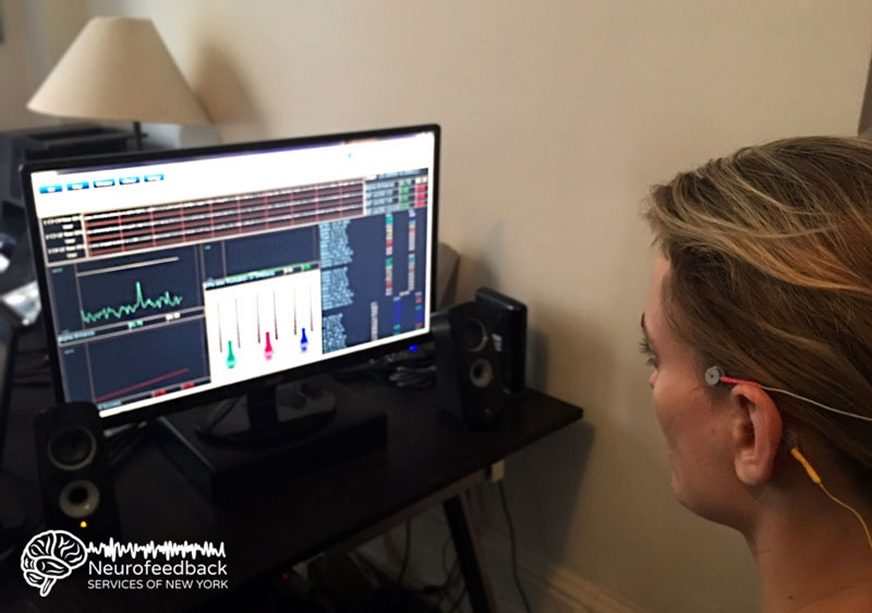
Mental and emotional well-being involves more than simply responding to symptoms as they appear. The brain continuously adapts to experiences, stress, learning, and the environment, and this ability to change creates opportunities for specialized forms of training. Neurofeedback therapy is a non-invasive form of EEG biofeedback designed to help individuals learn to regulate patterns of brain activity with guidance from a trained clinician.
People interested in exploring neurofeedback in New York can learn about brain mapping, individualized training, and different neurofeedback approaches available through specialized providers. Rather than relying on a single protocol for everyone, assessment information can be used to develop training strategies around an individual’s patterns, concerns, and goals.
Understanding the Basic Idea Behind Neurofeedback
Neurofeedback works by measuring electrical activity produced by the brain.
Sensors are placed on the scalp to detect this activity through EEG technology. The sensors monitor rather than electrically stimulate the brain. Information about brain activity can then be translated into feedback that the individual receives during a training session.
The process uses principles of operant conditioning. When targeted brain activity occurs, the system provides feedback or reinforcement. With repeated sessions, the goal is to help the brain become better at producing desired patterns without depending on the training environment.
This learning process is why neurofeedback generally involves multiple sessions rather than functioning as a one-time procedure.
Brain Mapping Can Provide a Starting Point
One important part of individualized neurofeedback therapy can be understanding a person’s baseline brain activity before training begins.
Quantitative electroencephalography, commonly known as QEEG or brain mapping, analyzes electrical activity measured by EEG. The resulting information can be compared with age-referenced databases and interpreted alongside symptoms and treatment goals.
At Neurofeedback Services of New York, the process generally begins with a clinical consultation followed by a QEEG appointment. Once the brain map has been processed, the findings can be reviewed and used when considering treatment strategies.
Some clients may also complete psychometric testing to establish baseline measurements before training begins.
Neurofeedback Is Not a One-Size-Fits-All Technique
There are several ways to conduct neurofeedback training.
Different approaches may target different aspects of brain activity, making assessment and professional guidance important when determining an appropriate method.
The clinic offers several forms of neurofeedback, including Infraslow Fluctuation, Z-Score Training, sLORETA Training, traditional neurofeedback, and Hemoencephalography.
Infraslow Fluctuation, for example, focuses on very slow brain frequencies below 0.1 Hz, while other forms of neurofeedback use different measurements and training targets.
The appropriate method can depend on the client’s assessment and treatment objectives rather than simply choosing a technique based on its name.
People Explore Neurofeedback for Different Reasons
Individuals pursue neurofeedback for a wide range of concerns and goals.
The New York clinic provides neurofeedback programs for clients presenting with concerns including anxiety, trauma, ADHD, depression, sleep disorders, migraines, OCD, traumatic brain injury, chronic pain, and other conditions. It also provides training for individuals pursuing peak-performance goals.
The evidence base for neurofeedback varies by condition, however, and clinical outcomes cannot be guaranteed. It should not automatically be considered a substitute for medication, psychotherapy, or other medical or mental health treatment.
Instead, individuals can discuss their goals, existing treatments, and concerns with qualified professionals to determine whether neurofeedback may be appropriate as part of their care.
Training Focuses on Repetition and Learning
Like many forms of skill development, neurofeedback therapy relies on repeated practice.
The clinic describes neurofeedback training as similar to physical conditioning in the sense that changes are developed through repetition. Its standard program begins with frequent sessions, with schedules adjusted according to the individual’s presentation and response to training.
Ongoing evaluation is also important. Clinicians can monitor reported symptoms and overall experiences throughout the training process and make adjustments when appropriate.
This means clients should expect neurofeedback to be a process rather than an immediate intervention. Discussing expected frequency, duration, goals, and methods for monitoring progress before beginning can help establish realistic expectations.
Neurofeedback May Be Combined With Talk Therapy
Brain-based training doesn’t necessarily have to take place separately from traditional therapeutic approaches.
Some clinicians integrate neurofeedback with psychotherapy to provide support from multiple perspectives. Neurofeedback Services of New York states that its clinicians incorporate traditional talk therapy alongside neurotherapy interventions.
This can be particularly relevant when emotional, behavioral, or psychological concerns are part of the reason an individual is pursuing treatment.
The exact combination of services should still be individualized. What works appropriately for one client may not be the right treatment plan for another.
Professional Assessment Matters
Neurofeedback equipment provides information, but interpreting that information and determining how to use it requires professional judgment.
A clinician needs to consider symptoms, goals, baseline measurements, brain activity, and the individual’s response to training. This is one reason QEEG assessment plays a central role in the clinic’s approach.
Professional oversight is also valuable once training begins. If a client’s experience changes or a particular protocol isn’t producing the desired response, the training strategy can be reviewed rather than continuing automatically.
When evaluating a provider, individuals can ask about credentials, neurofeedback training, assessment procedures, protocols offered, and how progress is measured.
Neurofeedback Can Extend Beyond Symptom-Focused Training
Not everyone interested in neurofeedback is necessarily seeking help for a particular clinical concern.
Neurofeedback is also offered for peak-performance training. People working in demanding environments may explore brain training with goals related to maintaining attention, managing responses to pressure, or supporting consistent performance.
Athletes, performers, students, and professionals may have very different objectives from clients seeking support for mental health concerns, reinforcing the importance of individualized assessment.
The basic principle remains similar: provide feedback about brain activity and use repeated training to encourage more effective self-regulation.
Ask Questions Before Starting a Program
Before beginning neurofeedback, clients should understand what the program involves.
Useful questions include how the initial assessment will be conducted, whether QEEG mapping is included, what type of training is being recommended, and why that approach was selected.
Clients can also ask how frequently sessions are expected, how progress will be measured, and when the treatment strategy will be reevaluated.
At the New York clinic, the process includes an initial consultation, QEEG assessment, review of results and treatment options, followed by individualized training. Clients are continually evaluated as training progresses.
Understanding this process makes it easier to participate actively in treatment rather than viewing neurofeedback as something that simply happens during an appointment.
Explore a More Individualized Approach to Brain Training
Neurofeedback combines EEG technology, assessment, repeated feedback, and professional guidance to help train patterns of brain activity. QEEG brain mapping can provide additional information for developing individualized protocols, while different training methods give clinicians options for addressing varying goals and presentations. For people considering neurofeedback therapy, understanding the assessment process and the type of training being recommended is an important first step.
Neurofeedback Services of New York provides QEEG brain mapping and several forms of neurofeedback training for clients with different clinical and performance-related goals. Working with an experienced provider can help individuals determine whether neurofeedback therapy is appropriate for their needs and how it might fit within a broader approach to mental and emotional well-being.